
AI’s next leap for the Intelligence Community: Agents managing agents
DIA, NGA and the FBI are building the infrastructure and guardrails needed for increasingly autonomous artificial intelligence.
DIA, NGA and the FBI are building the infrastructure and guardrails needed for increasingly autonomous artificial intelligence.
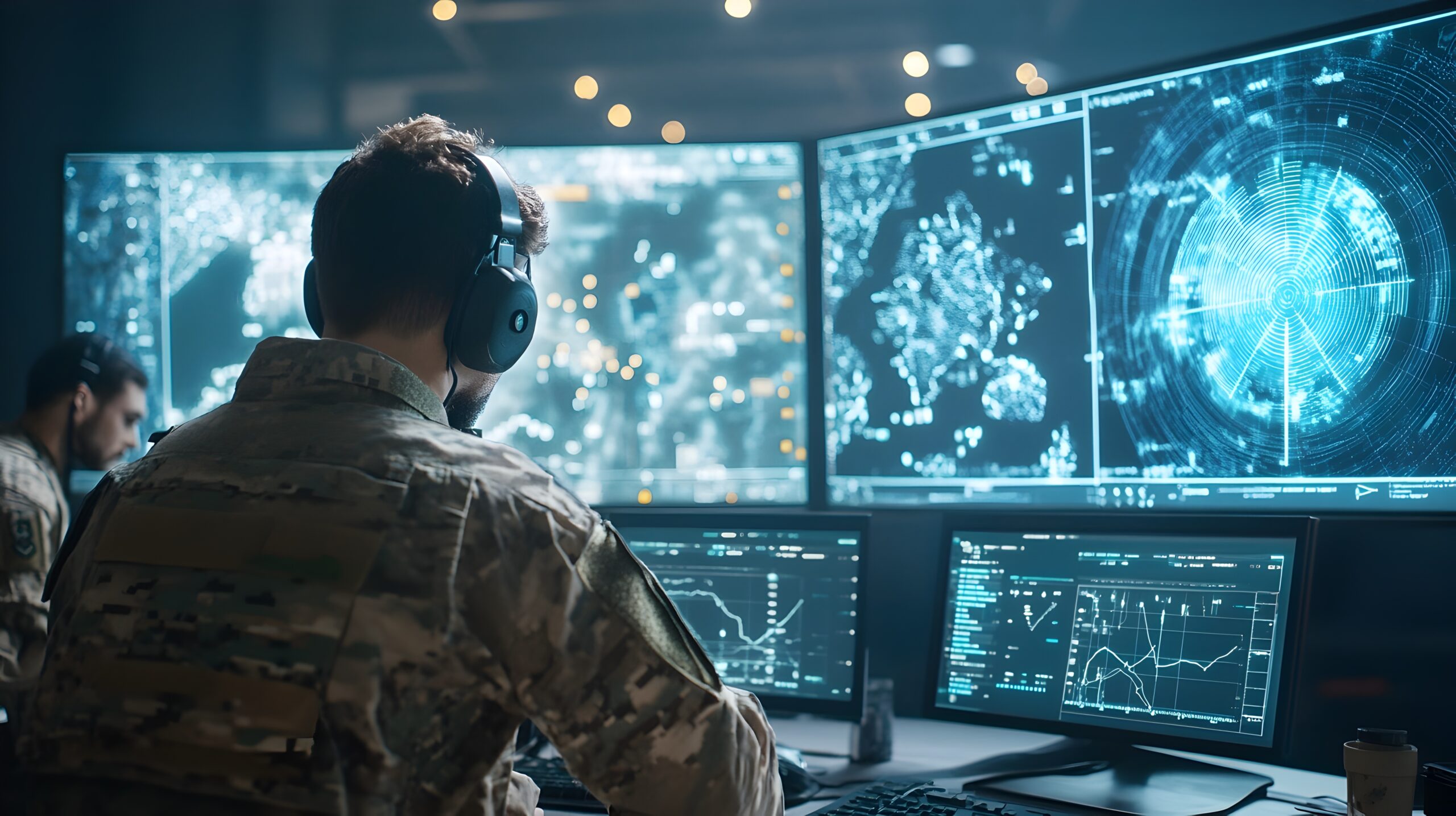
From the skies over Ukraine, to Chinese cyber attacks, to bureaucratic battlefields inside the Pentagon, artificial intelligence has grown from an experiment or niche product to an increasingly routine tool of military organizations.

Army vehicles like Bradley need greater power at the sprocket for speed, braking, and manueverability.

Among other provisions in the FY26 NDAA, congressional authorizers would direct the defense secretary to explore possibilities for recapitalizing the military services’ executive airlift fleets.
In the aftermath of the 9/11 terrorist attacks on America, the position of Director of National Intelligence, (DNI) was created to close the gaps in the US Intelligence Community.

“The number of detections are way up [and] the number of models that we have are way up, [but] with the same level of compute that you had in 2017,” said Vice Adm. Frank Whitworth. “It starts to slow down. We are already seeing evidence of that.”

NGA chief Frank Whitworth defended his agency’s role in Ground Moving Target Indicator operations to Breaking Defense, as sources say there’s tension behind the scenes.

A decorated combat aviator and biotech CEO advocates preparing for novel viral threats before the next crisis.
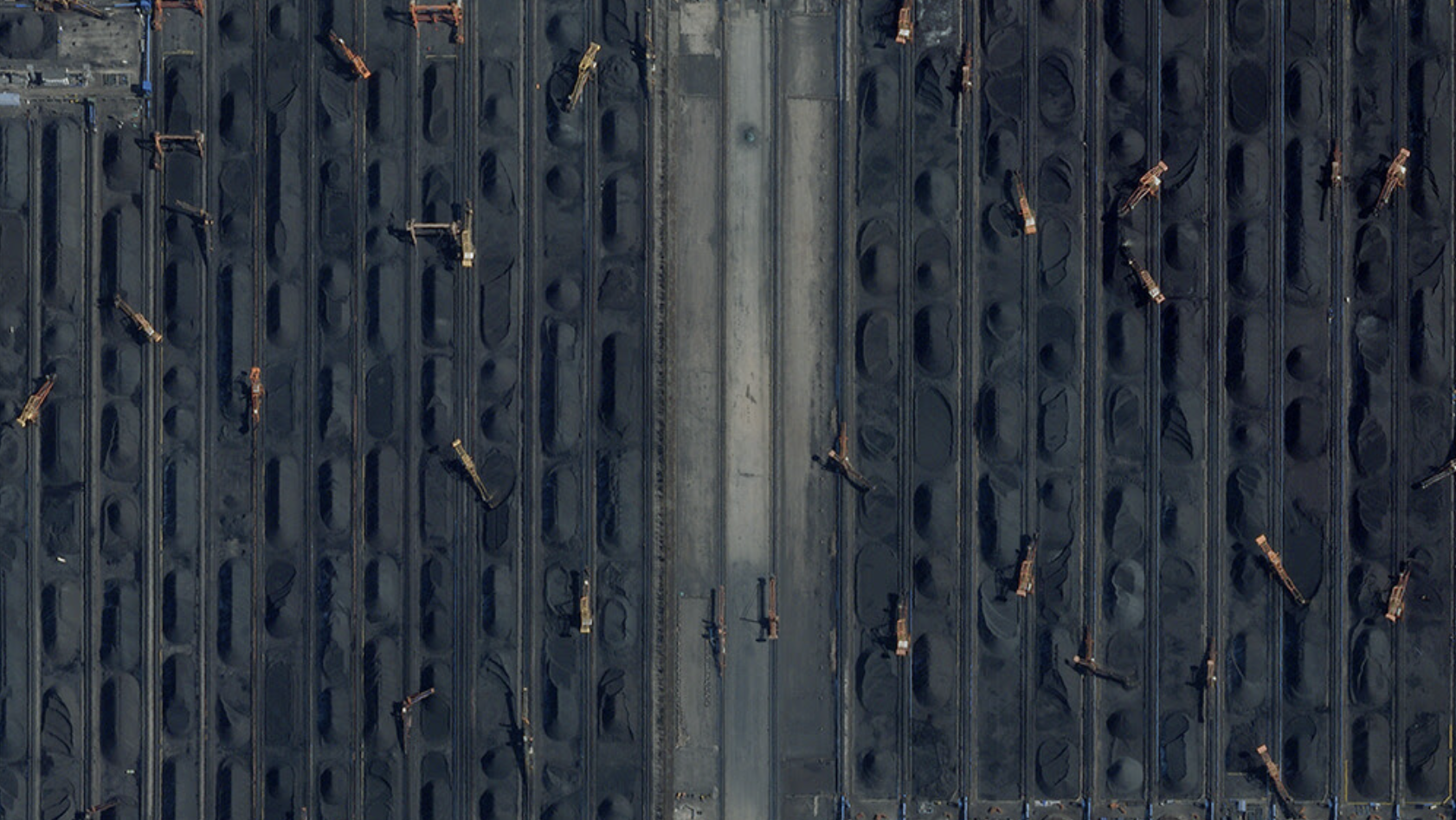
"Commercial analytics-as-a-service, or the purchase of analysis vice pixels, means that we can integrate commercial capabilities faster into our existing products and services (e.g., object detection)," an NGA spokesperson told Breaking Defense.

"Russia's need for economic support in the face of new sanctions combined with China's need for energy and Arctic influence make them logical partners," says the report published through the NGA's Tearline project.

One senior official said he wants his agency to have the urgency about China the way the US had urgency about counterterrorism after 9/11.
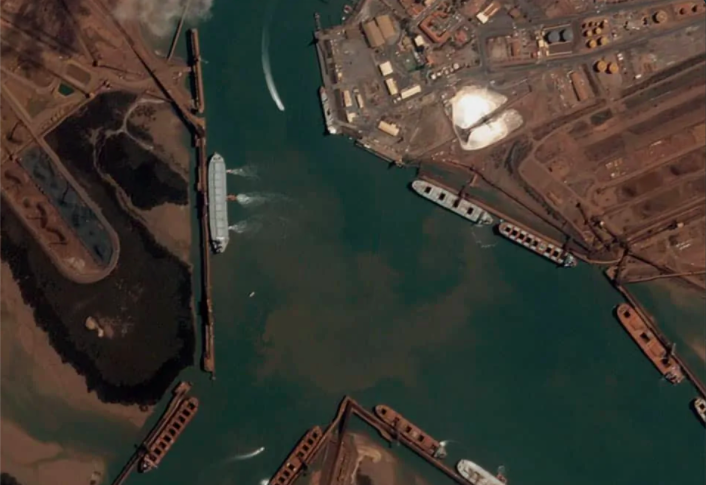
Space Force is not a voting member of the new(ish) IC Commercial Space Council to improve coordination on commercial space policy -- but NRO and NGA are.

APKWS® laser‑guidance kit provides reliable precision‑guided munitions across missions and platforms, delivered quickly to meet evolving operational demands.

The new policy is inconsistent with efforts by DoD and NGA to expand the trusted supplier base by better integrating allied firms into their acquisition chains, critics say.
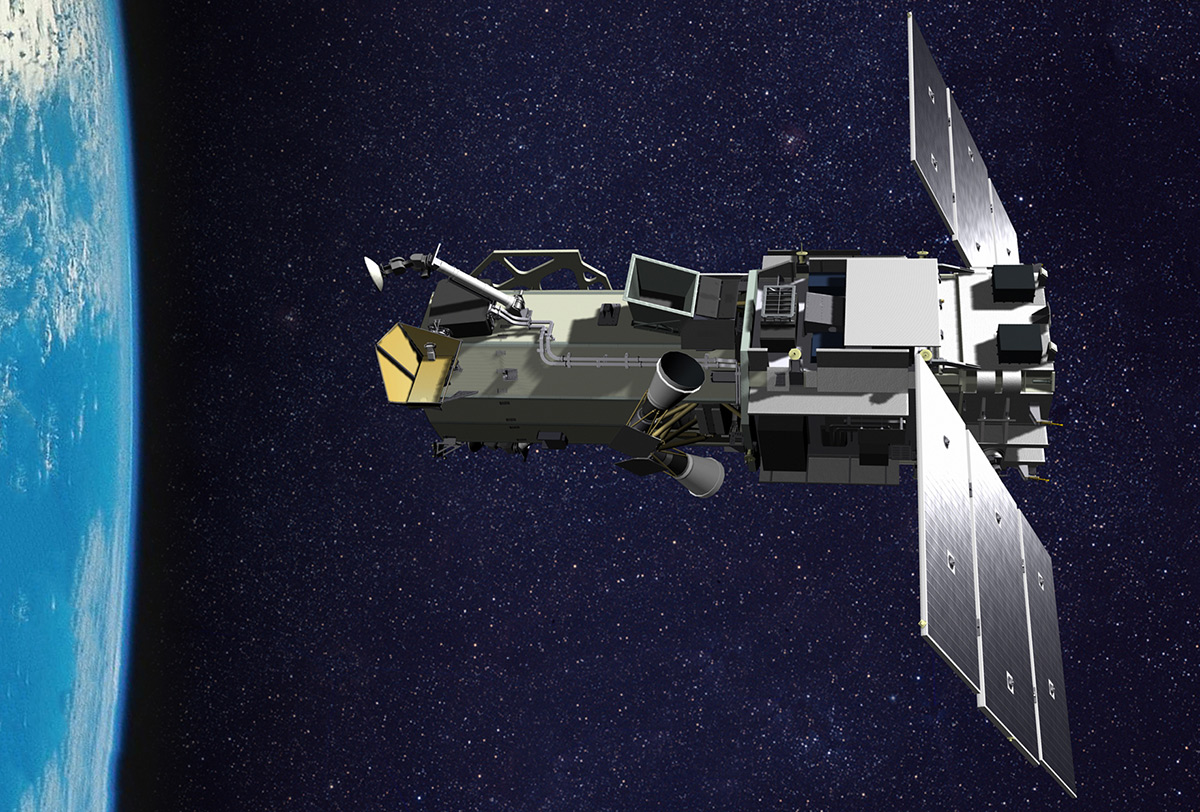
"I think before you hand off the ball, let's make sure there won't be a fumble -- and the Space Force has a lot on it's plate right now," Rep. Jim Cooper says.
The goal is to have an improved version of the Data Transformation Services (DTS) system up and running on classified NGA networks by next February, the agency's request for information (RFI) says.
"Now we're just really working out the details for the timing that that will happen, and how frankly how it will happen," Lt. Gen. Daniel Karbler, Army SMDC commander, says.